How to Buy Cars from Japanese Auctions Online
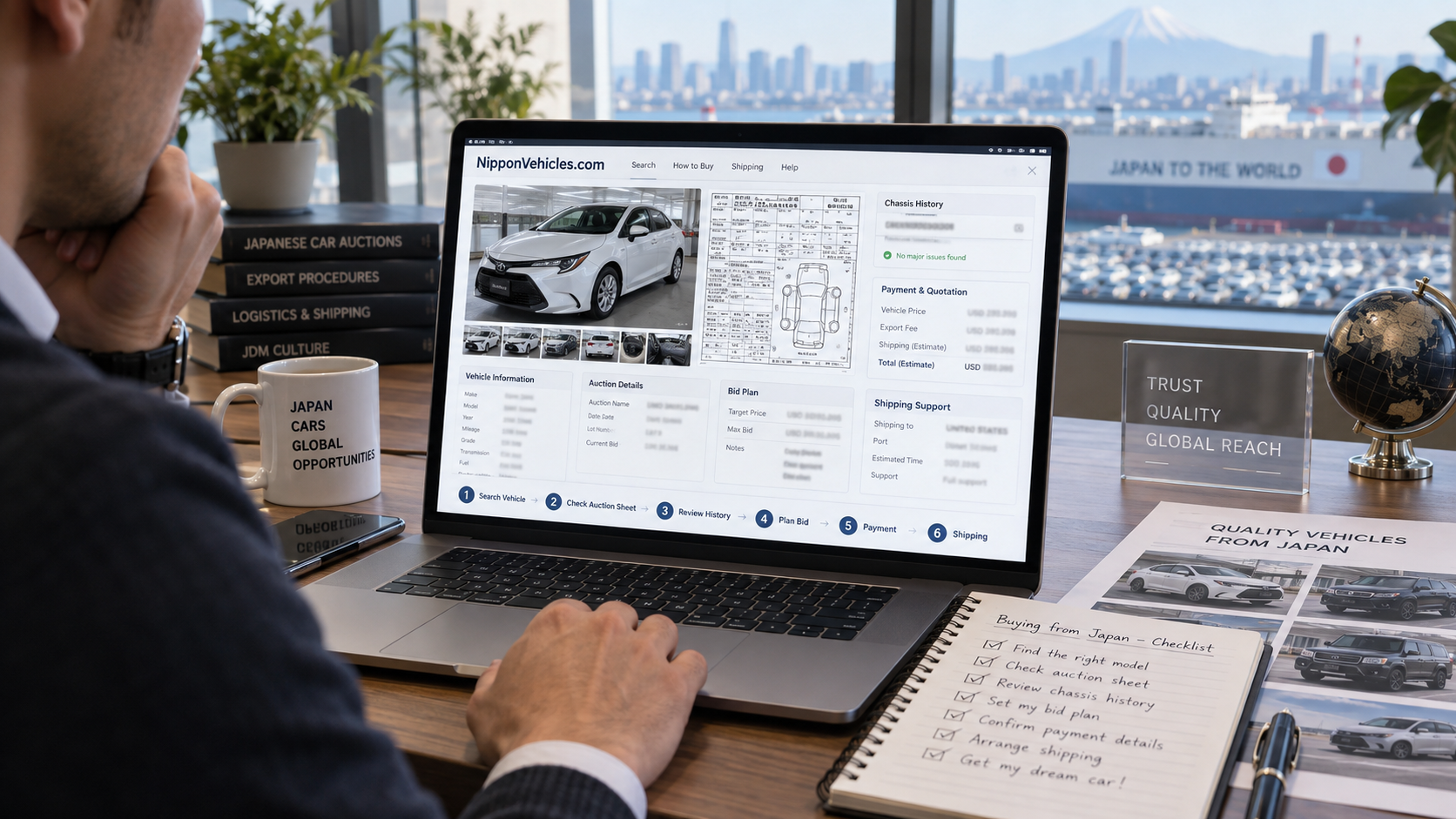
Learn how overseas buyers can search, check, bid and import used cars from Japanese auctions with clear guidance before payment.
Japanese car auctions are one of the biggest sources of used vehicles in Japan. Many overseas buyers use auctions to find cars, SUVs, vans, trucks, hybrids, kei cars, commercial vehicles and special models that may not be available in normal stock.
Buying from Japanese auctions online can be a good way to get more choices and competitive prices, but it must be done carefully. Buyers need to understand auction sheets, bidding rules, payment deadlines, export costs, shipping costs and country import rules before placing a bid.
This guide explains how to buy cars from Japanese auctions online through a Japan-side exporter or auction buying service.
Quick Process
What Are Japanese Car Auctions?
Japanese car auctions are wholesale marketplaces where dealers, exporters and auction members buy and sell vehicles. Thousands of vehicles may be available across different auction houses in Japan, depending on the day, season and market.
Vehicles can include:
- Used passenger cars
- Hybrid and electric vehicles
- SUVs and 4WD vehicles
- Vans and minibuses
- Kei cars and kei trucks
- Pickup trucks
- Commercial trucks
- Sports and luxury vehicles
- Accident, repair or project vehicles
Each auction vehicle usually has an auction sheet, photos, mileage, grade and inspection remarks. Buyers should check these details before deciding a bidding limit.
Can Overseas Buyers Access Japanese Auctions Directly?
Most overseas buyers cannot directly bid in Japanese dealer auctions by themselves. Auction access is normally available through registered auction members, dealers, exporters or buying agents in Japan.
This is why international buyers usually work with a Japan-based exporter. The exporter helps the buyer search vehicles, check auction sheets, place bids, arrange payment, prepare export documents and organize shipping from Japan.
Through Nippon Vehicles, overseas buyers can search Japanese auction vehicles online and request support before bidding.
Search Japanese Auctions Online
Browse auction vehicles, shortlist cars and ask Nippon Vehicles to check details before bidding.
How to Buy Cars from Japanese Auctions Online: Step by Step
Step 1: Decide Your Vehicle Requirement
Start with a clear requirement. Decide the make, model, year, mileage, fuel type, transmission, drive type, budget, destination country and port.
For example, instead of saying “I need a Toyota,” it is better to say: Toyota Prius 2021 or newer, under 80,000 km, Grade 4 or higher, no accident history, C&F to Mombasa.
Step 2: Check Your Country Import Rules
Before bidding, confirm your country’s import rules. Some countries have age limits, inspection requirements, emission rules, right-hand-drive rules, tax rules or restrictions on damaged vehicles.
Do not bid first and check rules later. A vehicle that is cheap in Japan may not be importable to your country.
Step 3: Search Japanese Auction Listings
Search auction listings by make, model, year, mileage, fuel type, grade, transmission and other details. Shortlist vehicles that match your requirement and budget.
You can start from the Nippon Vehicles auction search page: Search Japanese auction vehicles online.
Step 4: Check the Auction Sheet
Before bidding, review the auction sheet carefully. Check the auction grade, mileage, body diagram, interior grade, repair marks and inspector remarks.
Related guide: How to read a Japanese auction sheet before buying.
Step 5: Check Chassis Number and Auction History
When available, check the vehicle’s auction history by chassis number. This can help identify past auction records, mileage history, old photos, accident information and possible red flags.
Related guide: How to check Japanese auction history by chassis number.
Step 6: Calculate Your Maximum Bid
Your maximum bid should not be only the car price. You must calculate auction fees, Japan-side costs, inland transport, export documents, inspection if required, freight and destination-side costs.
For price terms, read: FOB, C&F and CIF price in Japanese car export.
Step 7: Place Bid Through Your Exporter
After checking condition and cost, give your maximum bid to your Japan-side exporter. The exporter will place the bid according to auction timing and bidding rules.
Step 8: Pay After Successful Auction Win
If your bid wins, the vehicle must be paid within the required deadline. Your exporter will issue an invoice and guide you about payment method and schedule.
Step 9: Export Documents and Shipping
After purchase and payment, the vehicle is prepared for export. Export documents, port delivery and shipping arrangements are handled depending on the quotation and destination.
For shipping method details, read: Ro-Ro vs container shipping from Japan.
Why Auction Sheet Checking Is Important
The auction sheet is one of the most important documents before bidding. It gives important information about the condition of the car, including body marks, repair history, mileage and inspector comments.
Before bidding, check:
- Auction grade
- Interior grade
- Mileage
- Body diagram marks
- Repair or accident history
- Rust and corrosion comments
- Engine and transmission remarks
- Warning lights or mechanical notes
- Missing parts or equipment
A Grade 4 car can still have scratches, dents, repaint marks or interior wear. A Grade 3.5 car may still be a good deal if the condition is acceptable and the price is right. The auction sheet must be read carefully.
Costs to Understand Before Bidding
Before bidding at Japanese auctions, buyers should understand the full cost. The auction hammer price is not the final export price.
| Cost Item | Meaning |
|---|---|
| Hammer price | Winning bid price at auction |
| Auction fee | Auction house and purchase-related fees |
| Exporter service fee | Buying agent/exporter service charge |
| Inland transport | Transport from auction yard to Japan port or yard |
| Inspection | Pre-export inspection if required by destination country |
| Export documents | Japan-side export documentation support |
| Freight | Ocean shipping cost to destination port |
| Destination costs | Duty, tax, port charges, clearing and registration in buyer country |
Always decide your maximum bid after estimating the FOB, C&F or landed cost. Otherwise, you may win a car but later realize the total cost is too high.
Need Help Calculating Your Bid?
Send us the auction vehicle link, destination country and port. Nippon Vehicles can help estimate a safe bidding budget before auction time.
Deposit and Payment Before Auction
Many exporters require a deposit before placing bids. This helps confirm that the buyer is serious and ready to pay if the vehicle is successfully won.
After a successful auction win, payment deadlines are usually strict. Buyers should be ready to complete the remaining payment quickly according to the invoice and exporter instructions.
Before sending money, confirm:
- Company name and bank details
- Invoice number and vehicle details
- Payment deadline
- Currency and exchange rate
- Deposit terms
- Refund or cancellation rules
- What happens if your bid is not successful
Never send payment to a personal account or unclear account name without verifying the exporter.
What Happens After You Win the Auction?
After your bid is successful, the exporter starts the Japan-side process. The vehicle may be transported from the auction yard, inspected if required, prepared for export and booked for shipping.
The usual process after winning includes:
- Invoice confirmation
- Buyer payment
- Vehicle collection from auction
- Condition confirmation where possible
- Pre-export inspection if required
- Export document preparation
- Shipping booking
- Loading from Japan port
- Document dispatch to buyer or consignee
The exact timeline depends on auction location, payment timing, inspection requirement, port, vessel schedule and destination country.
Common Mistakes When Buying from Japanese Auctions
Japanese auctions can be a good opportunity, but mistakes can become expensive. Avoid these common buyer mistakes:
- Bidding without checking the auction sheet
- Looking only at photos
- Ignoring inspector remarks in Japanese
- Not checking chassis number or auction history
- Forgetting auction fees and inland transport
- Not confirming shipping cost before bidding
- Not checking destination country import rules
- Bidding higher than the real budget
- Buying damaged vehicles without confirming import and shipping rules
- Sending payment without a proper invoice
The safest way is to check the vehicle, understand the full cost and confirm your maximum bid before auction time.
How Nippon Vehicles Can Help
Nippon Vehicles is a Japan-based used car exporter helping overseas buyers purchase cars from Japanese stock, dealers and auctions. We can support buyers from vehicle search to export and shipping guidance.
We can help you with:
- Japanese auction vehicle search
- Auction sheet checking
- Chassis number and auction history support
- Bid budget advice
- FOB and C&F quotation
- Export document support
- Ro-Ro and container shipping guidance
- Buyer support before payment
Send us your vehicle requirement, destination country and port. We will guide you step by step before bidding.
Start Buying from Japanese Auctions
Search Japanese auction vehicles online and ask Nippon Vehicles to help check the auction sheet, price and shipping before bidding.
Frequently Asked Questions
Can I buy cars from Japanese auctions online?
Yes. Overseas buyers can search Japanese auction vehicles online and buy through a Japan-based exporter or auction buying agent who has auction access.
Can I bid directly at Japanese car auctions?
Most overseas buyers cannot bid directly in Japanese dealer auctions. Bidding is usually done through registered auction members, dealers, exporters or buying agents in Japan.
What should I check before bidding?
Before bidding, check the auction sheet, mileage, grade, body marks, inspector remarks, chassis number, auction history, shipping cost and import rules for your country.
What happens if I win the auction?
After a successful auction win, the buyer must complete payment according to the invoice. The exporter then arranges Japan-side handling, documents and shipping process.
Is the auction hammer price the final price?
No. The hammer price is only the winning bid price. Auction fees, exporter fee, inland transport, inspection, documents, freight and destination costs may be added.
Should I check auction history by chassis number?
Yes, where available. Auction history can help check previous auction records, mileage, old photos, repair history and possible red flags before buying.
Can Nippon Vehicles help me buy from Japanese auctions?
Yes. Nippon Vehicles can help with auction search, auction sheet checking, bidding support, FOB or C&F quotation, export documents and shipping guidance from Japan.
Final Advice
Buying cars from Japanese auctions online can give overseas buyers access to many vehicles and competitive prices. But the safest buying decision is not based on price alone.
Before bidding, check the auction sheet, chassis number, mileage, auction history, repair notes, shipping cost, import rules and total budget. Work with a Japan-side exporter who can explain the vehicle condition clearly before payment.
Related Guides
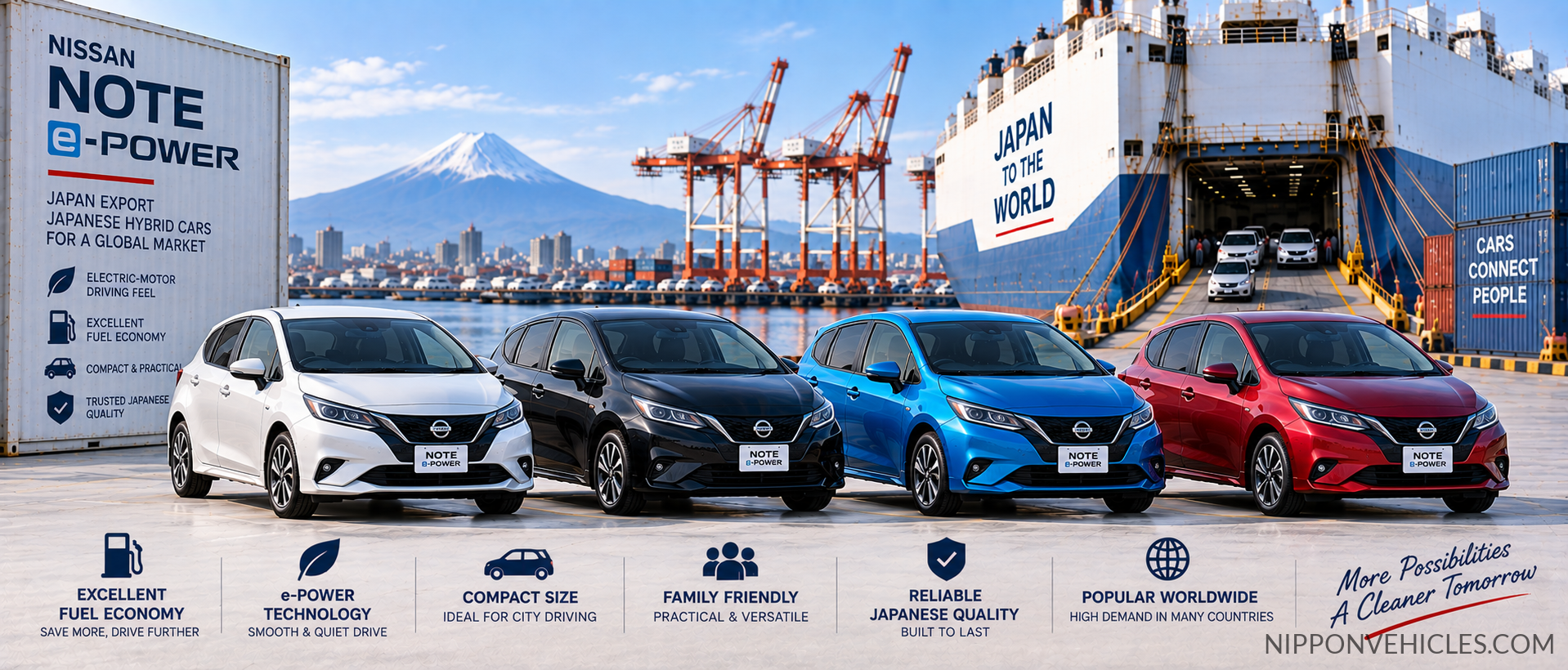
Nissan Note e-POWER from Japan Buying Guide
Quick Answer: Should You Import a Nissan Note e-POWER from Japan? Best for: Compact hybrid use, city driving, fuel economy and resale Main checks: e-POWER system,…
Read guide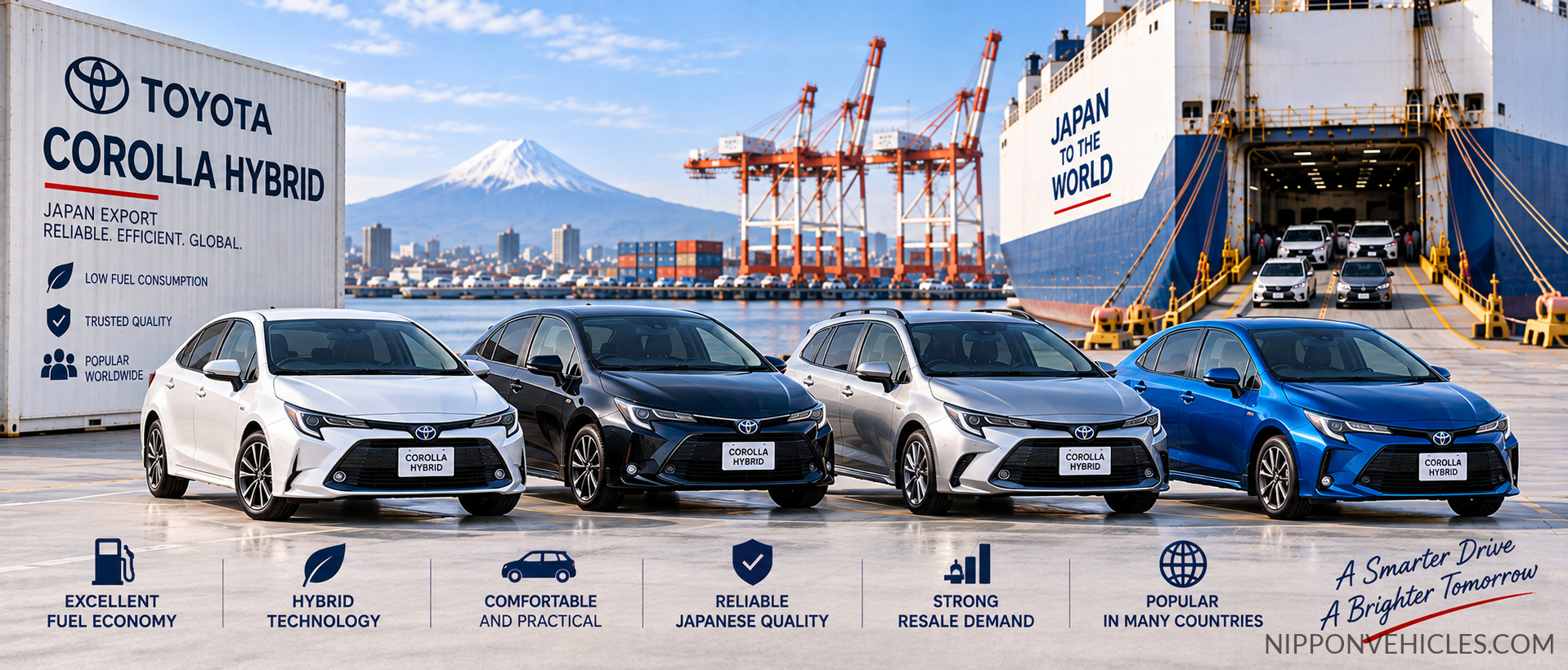
Toyota Corolla Hybrid from Japan Buying Guide
Quick Answer: Should You Import a Toyota Corolla Hybrid from Japan? Best for: Fuel economy, comfort, resale and daily driving Main checks: Hybrid battery, auction sheet,…
Read guide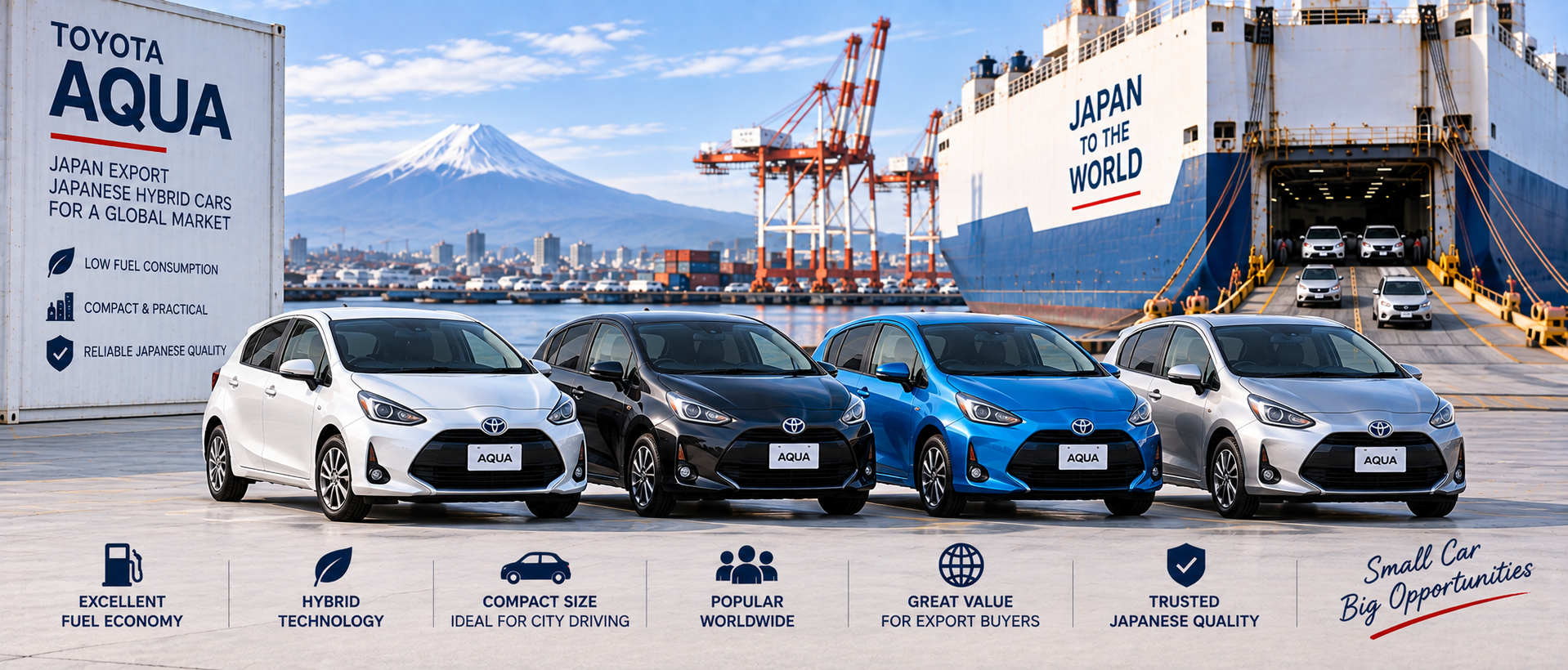
Toyota Aqua from Japan Buying Guide
Quick Answer: Should You Import a Toyota Aqua from Japan? Best for: Fuel economy, city driving, daily use and resale Main checks: Hybrid battery, mileage, auction…
Read guideReady to find your next vehicle from Japan?
Browse current stock and Japan auctions, or ask our export team for a C&F quotation to your destination port.